




Understanding whether you can freeze chocolate mousse helps with meal planning, party preparation, and reducing waste from leftover desserts. The answer is yes—you can freeze chocolate mousse successfully for up to two months while maintaining acceptable texture and flavor, though slight textural changes may occur upon thawing. This comprehensive guide examines proper freezing techniques for chocolate mousse, explains how freezing affects texture and taste, provides step-by-step thawing instructions, and offers practical tips for making freeze-friendly mousse that delivers delicious results whether served fresh or after frozen storage.
How Freezing Affects Chocolate Mousse
Freezing impacts chocolate mousse's delicate structure in ways that range from barely noticeable to significantly texture-altering depending on recipe composition and freezing methodology. Understanding these changes helps set realistic expectations and informs preparation decisions.

Texture Changes from Freezing
Chocolate mousse achieves its characteristic light, airy texture through whipped cream or egg whites that incorporate air bubbles into chocolate base. Freezing causes ice crystal formation that can rupture some air bubbles, potentially resulting in slightly denser texture after thawing. Well-made mousse with stable structure tolerates freezing better than loosely whipped varieties that lose volume more readily.
The fat in chocolate and cream helps stabilize mousse during freezing, protecting texture better than low-fat desserts. Quality chocolate products with proper cocoa butter content create more freeze-stable mousses that maintain texture through frozen storage. Higher fat content acts as protective buffer against ice crystal damage.
Flavor Preservation
Chocolate flavor survives freezing remarkably well since cocoa compounds remain stable at freezer temperatures. Properly wrapped mousse maintains chocolate intensity through two-month frozen storage without significant flavor degradation. However, mousse absorbs freezer odors readily if inadequately sealed, potentially developing off-flavors from nearby foods.
Sugar and fat content influence flavor perception after freezing. Very sweet mousses may taste slightly less sweet after freezing as cold temperatures dull taste perception, while mousse made with premium dark chocolate maintains robust flavor despite temperature changes.
Proper Freezing Techniques
Following correct freezing procedures minimizes texture damage and flavor loss, ensuring frozen chocolate mousse remains enjoyable after thawing. Attention to detail during freezing process pays dividends in final quality.

Individual Portion Freezing
Freeze chocolate mousse in individual serving containers rather than one large batch for easier thawing and portion control. Use small ramekins or dessert molds that create elegant presentations while facilitating single-serving defrosting. Individual portions thaw faster and more evenly than bulk quantities.
Fill containers leaving quarter-inch headspace to accommodate slight expansion during freezing. Overfilled containers may crack or develop unsealed lids that allow freezer burn. Press plastic wrap directly onto mousse surface before sealing containers to prevent ice crystal formation on exposed surface.
Wrapping and Container Selection
Wrap filled containers tightly with plastic wrap, then cover with aluminum foil for double protection against air exposure and odor absorption. This dual-layer approach creates effective barrier preventing freezer burn that ruins texture and introduces off-flavors. Label containers with preparation date and contents for tracking storage time.
Alternatively, freeze mousse in professional silicone molds designed for frozen desserts. Once frozen solid, remove molded mousses and transfer to freezer-safe zip-top bags for space-efficient storage. This method creates beautiful presentations perfect for dinner parties or special occasions.
Flash Freezing Method
For best texture preservation, flash freeze mousse before wrapping for storage. Place uncovered mousse portions on baking sheet and freeze until solid—approximately two to three hours. Once frozen hard, wrap thoroughly and transfer to final storage location. Flash freezing prevents large ice crystals that damage mousse structure more than small crystals formed during rapid freezing.

Storage Duration and Quality
Frozen chocolate mousse maintains acceptable quality for specific timeframes beyond which texture and flavor deteriorate noticeably despite remaining safe to eat.
Optimal consumption occurs within one month of freezing when texture changes remain minimal and flavor stays vibrant. Mousse stored one to two months experiences slight texture softening and potential minor flavor dulling but remains perfectly enjoyable. Beyond two months, quality degradation accelerates with increasing textural breakdown and flavor loss making extended storage inadvisable.
Freezer temperature consistency matters tremendously—chest freezers maintaining steady zero degrees Fahrenheit preserve mousse better than frost-free refrigerator freezers with temperature fluctuations from automatic defrost cycles. These cycles partially thaw then refreeze food repeatedly, damaging texture through ice crystal growth and collapse.
|
Storage Duration |
Texture Quality |
Flavor Quality |
Overall Rating |
Best Use |
|
1-2 weeks |
Excellent |
Excellent |
9/10 |
Any application |
|
3-4 weeks |
Very Good |
Excellent |
8/10 |
Entertaining, gifts |
|
5-8 weeks |
Good |
Very Good |
7/10 |
Family desserts |
|
9-12 weeks |
Fair |
Good |
5/10 |
Casual consumption |
|
12+ weeks |
Poor |
Fair |
3/10 |
Not recommended |
Thawing Instructions
Proper thawing preserves mousse quality while preventing food safety issues from temperature abuse. Patient, gradual thawing delivers superior results compared to rushed methods using heat.
Refrigerator Thawing Method
Transfer frozen mousse from freezer to refrigerator twelve to twenty-four hours before serving depending on portion size. Small individual servings thaw completely in twelve hours, while larger portions require full day. This slow thawing prevents condensation formation and texture separation that occurs with rapid temperature changes.
Keep mousse wrapped during refrigerator thawing to prevent condensation from forming on surface. Remove from refrigerator thirty minutes before serving to allow mousse to lose extreme chill that mutes chocolate flavor. Room temperature for brief period enhances flavor perception without compromising texture.

Room Temperature Considerations
Never thaw chocolate mousse at room temperature for extended periods due to food safety concerns. Mousse contains eggs and dairy that support bacterial growth when held between forty and one hundred forty degrees Fahrenheit for more than two hours. Brief room temperature exposure immediately before serving is safe, but prolonged thawing at room temperature risks foodborne illness.
If you must accelerate thawing, place wrapped mousse container in bowl of cool water, changing water every thirty minutes. This method thaws mousse in two to four hours while maintaining safe temperatures. Avoid hot water or microwave thawing which create uneven temperatures and destroy mousse texture irreversibly.
Making Freeze-Friendly Mousse
Certain recipe modifications create chocolate mousse that freezes and thaws more successfully than standard formulations, maintaining better texture and stability through frozen storage cycle.
Recipe Adjustments for Freezing
Increase gelatin content slightly beyond standard mousse recipes to provide additional structural support during freezing. Add half teaspoon unflavored gelatin per cup of mousse base, blooming it in cold water before dissolving in warm chocolate mixture. The gelatin stabilizes structure without creating unpleasant rubbery texture when used moderately.
Use stabilized whipped cream rather than regular whipped cream for mousse component. Add one tablespoon cream cheese or two teaspoons cornstarch per cup of heavy cream before whipping to create more freeze-stable foam. This stabilization prevents complete deflation during freezing while maintaining desirable light texture.
Choose recipes using quality chocolate with higher cocoa butter content that provides better freeze protection than lower-quality alternatives. The cocoa butter crystallizes in ways that support mousse structure during temperature changes better than vegetable fats in compound chocolates.

Equipment for Mousse Making
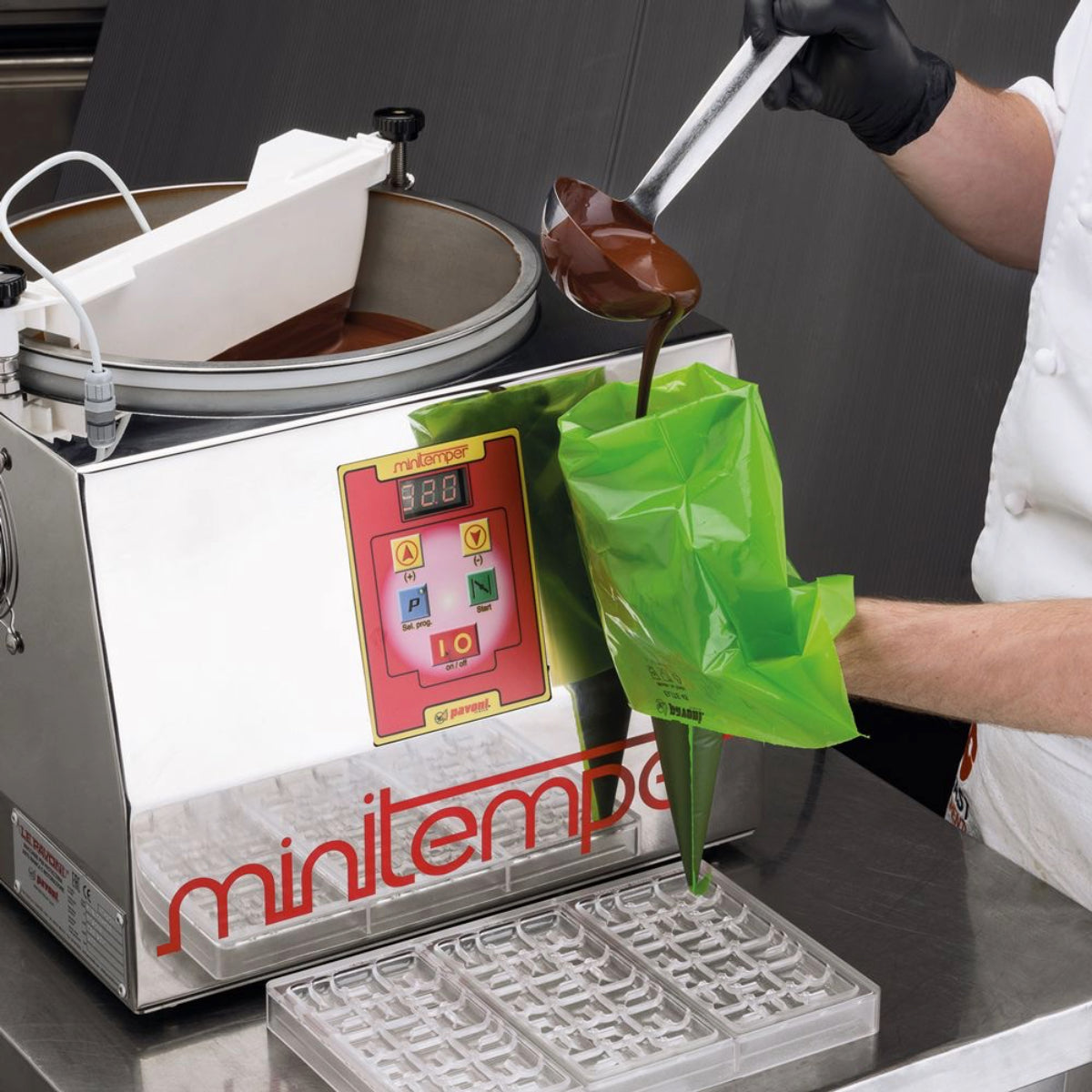
Use professional chocolate melters to maintain optimal chocolate temperature during mousse preparation, ensuring smooth incorporation without overheating that damages structure. Proper temperature control creates stable emulsions that freeze more successfully than improperly prepared mousses.
Whip cream and egg whites in chilled bowls using cold ingredients for maximum volume and stability. Room temperature ingredients don't achieve same volume or structure as properly chilled components. Store mixing bowls in refrigerator before use for best results.
Serving Frozen Mousse
Some applications benefit from serving mousse partially frozen rather than completely thawed, creating alternative dessert experiences that showcase mousse's versatility.
Semi-Frozen Mousse Cakes
Layer frozen mousse between cake layers or cookie crusts, serving while mousse remains semi-frozen for texture similar to ice cream cake. This presentation works beautifully for summer entertaining when cold desserts feel more refreshing than room-temperature options. Create elegant presentations using cake molds designed for frozen desserts.
Garnish semi-frozen mousse with whipped cream, chocolate shavings, or fresh berries just before serving. The frozen mousse provides stable base that doesn't collapse under toppings weight. Chocolate decoration tools help create professional garnishes that elevate frozen mousse presentations.
Frozen Mousse Pops
Pour mousse into popsicle molds before freezing for portable frozen treats perfect for summer parties or casual snacking. Insert sticks when mousse is partially frozen—after one to two hours—so they stand upright without sinking completely. These frozen mousse pops offer sophisticated alternative to traditional ice cream bars.
Identifying Quality Issues
Recognizing signs of improper freezing or excessive storage time helps you determine whether frozen mousse remains enjoyable or should be discarded for quality reasons.
Acceptable mousse should maintain chocolate color without graying or visible ice crystals on surface. Small texture changes including slightly denser consistency or minor graininess remain acceptable, but mousse shouldn't completely deflate or separate into liquid and solid layers. Properly frozen and thawed mousse still holds shape when spooned and shows no visible separation.
Off odors including freezer burn smell, rancid notes, or absorbed food odors indicate mousse has exceeded optimal storage time or wasn't wrapped adequately. Trust your nose—mousse should smell purely of chocolate without competing aromas. Discard mousse showing mold growth, unusual colors, or significant texture breakdown as these indicate spoilage or quality failure.
Alternative Storage Methods
While freezing works well for chocolate mousse, other storage approaches suit different timeframes and quality priorities depending on your specific needs.
Refrigerated chocolate mousse stays fresh three to four days in sealed containers, maintaining superior texture compared to frozen mousse. This short-term storage works perfectly for mousses prepared one to two days before serving when freezing isn't necessary. Cover mousse with plastic wrap pressed directly onto surface before refrigerating to prevent skin formation.
For maximum freshness, prepare mousse components separately and combine just before serving. Melt and temper chocolate, prepare whipped cream, and measure ingredients in advance, then assemble mousse the day of serving. This approach delivers optimal texture impossible to achieve with frozen mousse but requires more last-minute effort.
Understanding that you can freeze chocolate mousse successfully for up to two months transforms dessert planning by allowing advance preparation that reduces stress before entertaining. Proper freezing techniques including individual portion containers, double wrapping with plastic and foil, and flash freezing before storage minimize texture changes and preserve chocolate flavor effectively. Thaw frozen mousse in refrigerator twelve to twenty-four hours before serving for best results, avoiding room temperature thawing that risks food safety issues. Recipe modifications including additional gelatin and stabilized whipped cream create more freeze-tolerant mousses that maintain texture through frozen storage better than standard formulations. For premium chocolate products, professional preparation equipment, and elegant serving vessels that showcase your chocolate mousse creations, explore quality selections at Zucchero Canada where dessert excellence meets practical storage solutions.
References:
Belitz, H. D., Grosch, W., & Schieberle, P. (2024). Food chemistry (5th ed.). Springer.
Fellows, P. J. (2023). Food processing technology: Principles and practice (4th ed.). Woodhead Publishing.
McGee, H. (2024). On food and cooking: The science and lore of the kitchen (3rd ed.). Scribner.
USDA. (2024). Freezing and food safety. United States Department of Agriculture Food Safety and Inspection Service.








Leave a comment
All comments are moderated before being published.
This site is protected by hCaptcha and the hCaptcha Privacy Policy and Terms of Service apply.