




Achieving professional chocolate results requires more than melting—proper tempering establishes the cocoa butter crystal structure that delivers glossy appearance, satisfying snap, and stable shelf life. A chocolate tempering machine automates this complex process of precise heating and cooling curves, eliminating the guesswork and manual labor that makes traditional tempering challenging. Without proper tempering, molded chocolates remain soft, develop unsightly bloom, and melt easily at room temperature, undermining product quality regardless of ingredient excellence.
Professional Tempering Equipment by Capacity
Compact Tabletop Tempering Units
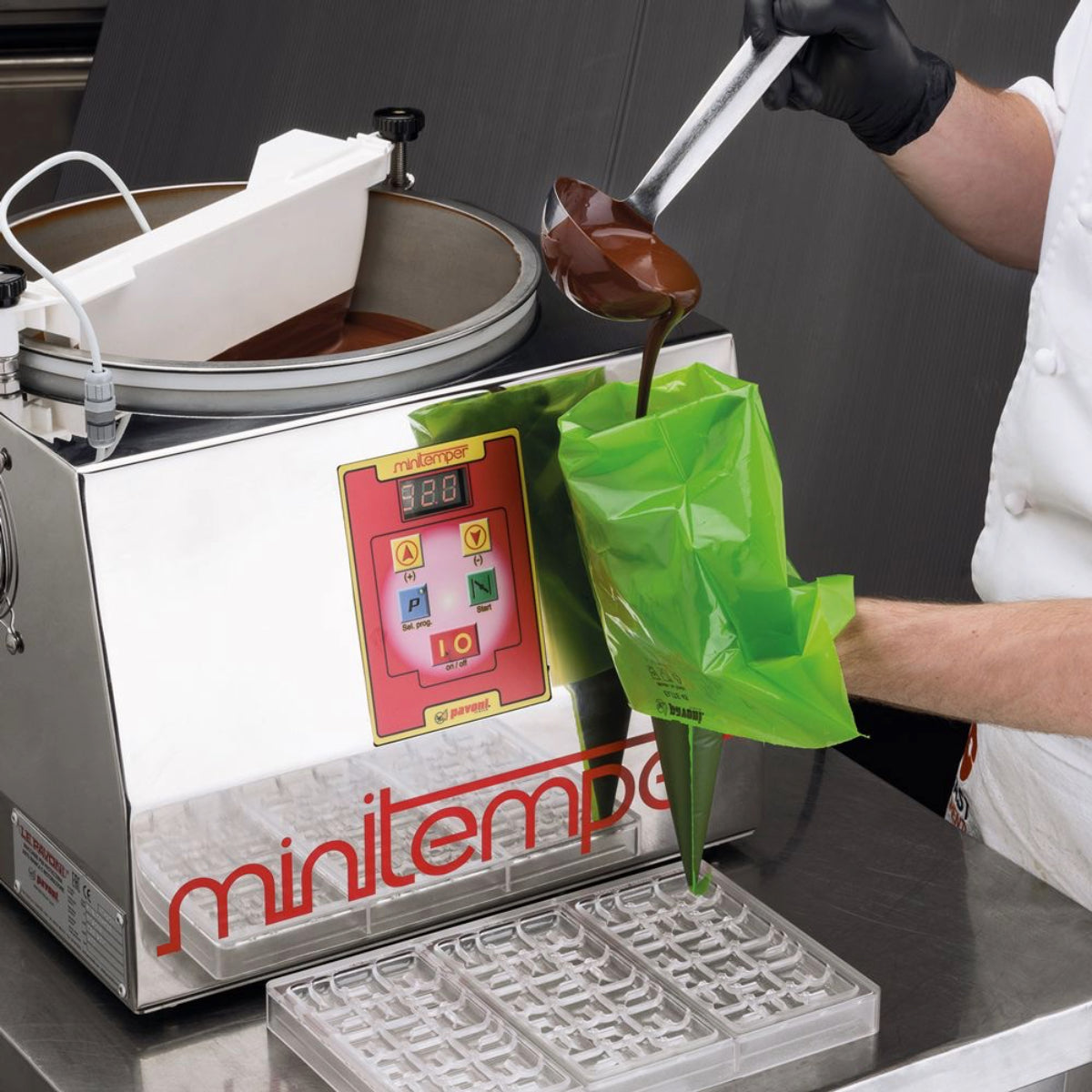
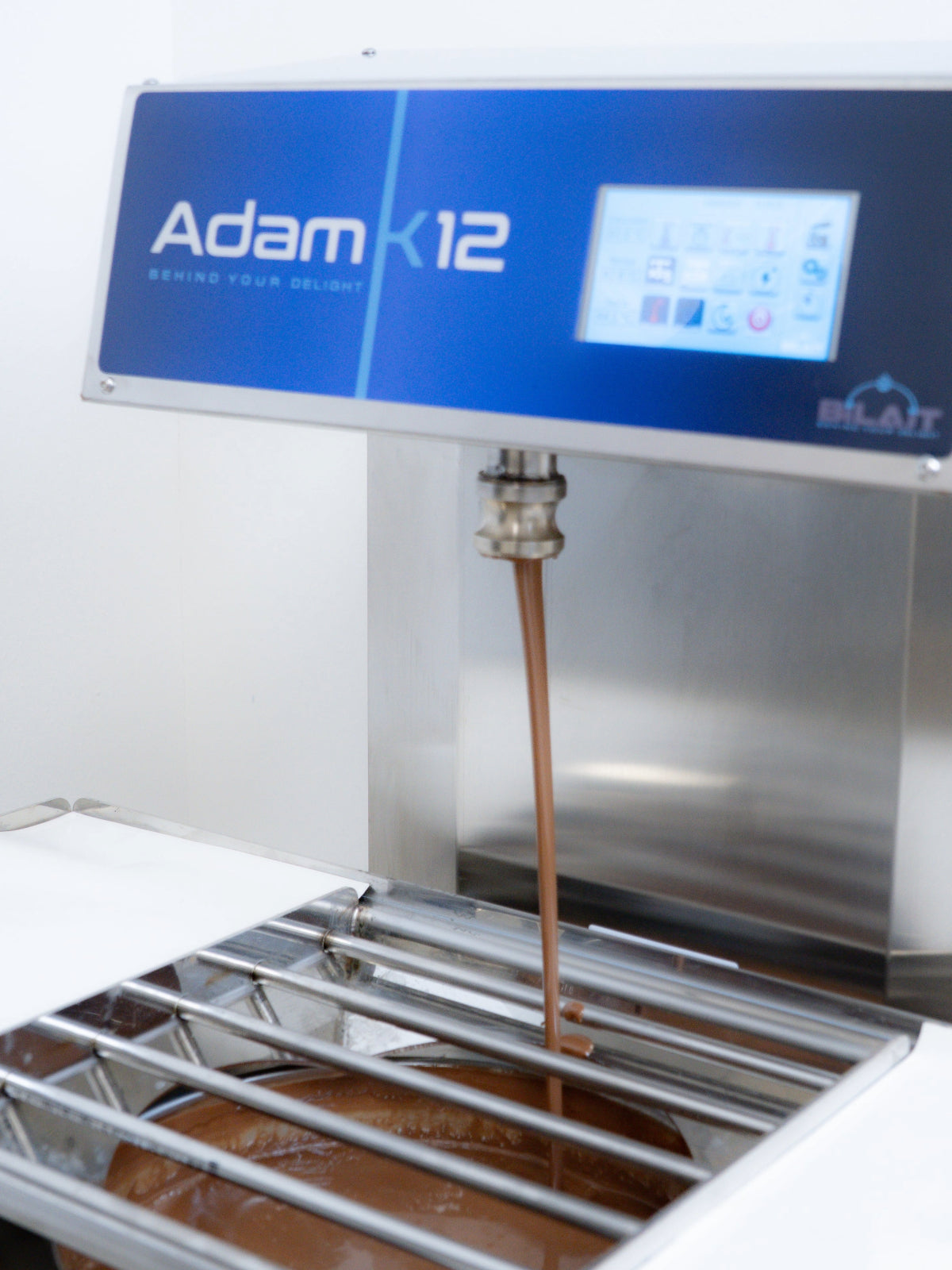
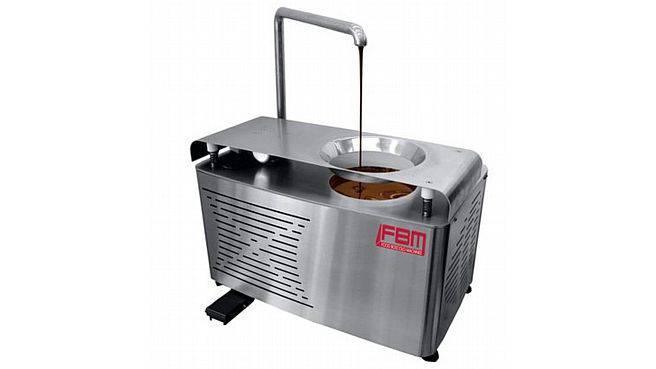
Tabletop tempering machines suit artisan chocolatiers and smaller operations producing limited quantities. These compact units typically handle 1.5-6 kg batches, providing professional automation without demanding extensive floor space or dedicated electrical service. The Aura Tabletop Tempering Machine exemplifies quality compact equipment delivering reliable tempering for operations prioritizing flexibility over maximum capacity. The Pavoni Minitemper 110V provides complete chocolate preparation capabilities in minimal footprints, ideal for pastry operations incorporating chocolate work alongside other products.
Mid-Capacity Automatic Systems
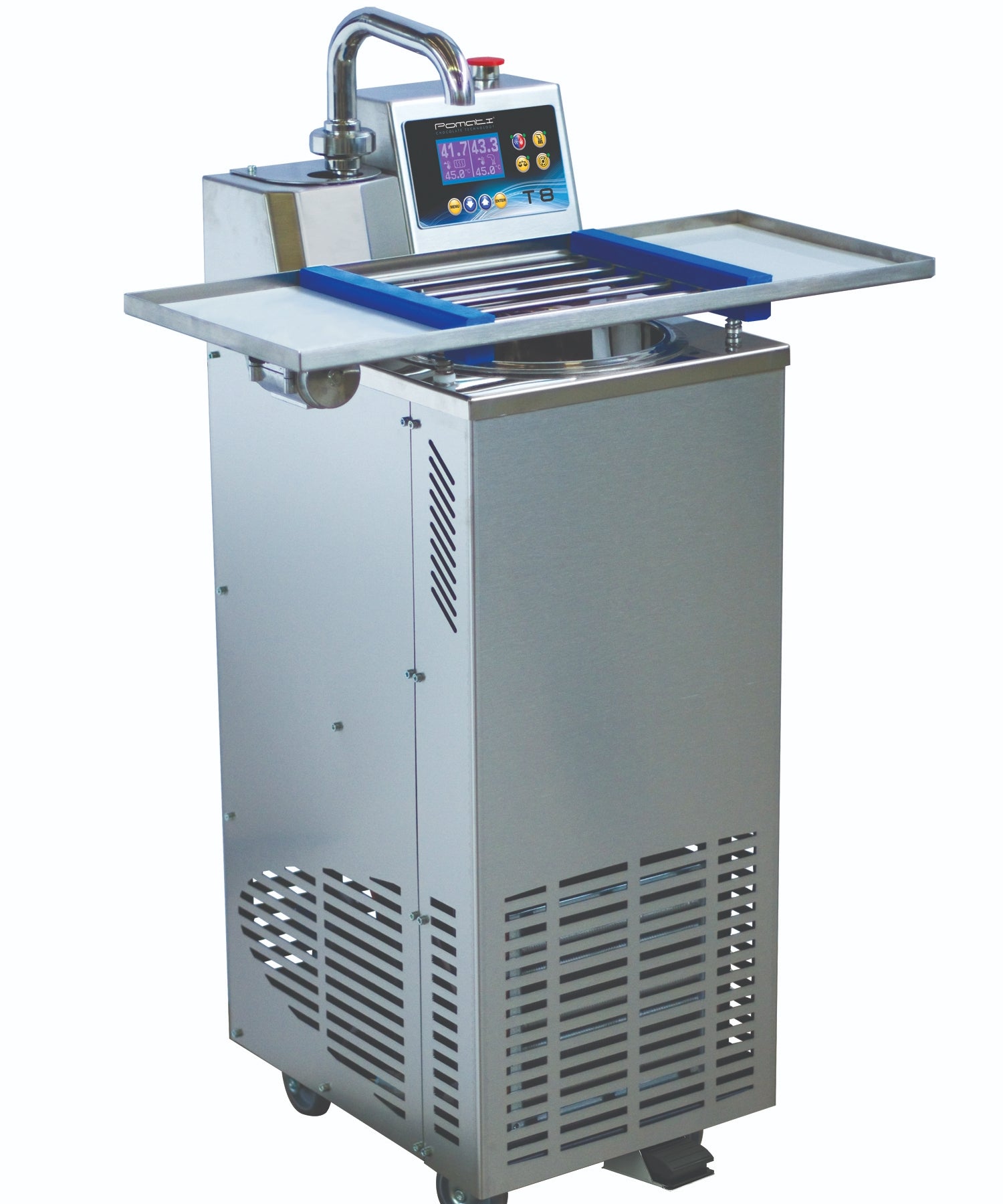
Automatic tempering machines offer hands-free operation through programmable cycles that heat, cool, and maintain chocolate at working temperatures. These mid-capacity units process 8-15 kg batches with minimal operator intervention once loaded. The Automatic Tempering Machine CW 12 kg demonstrates how automation supports commercial production scales while maintaining consistency impossible through manual methods. Understanding why you need a chocolate tempering machine clarifies how proper equipment fundamentally improves chocolate operations.
High-Volume Commercial Temperers
Large-capacity commercial temperers serve high-volume manufacturers requiring substantial throughput. Units processing 20-40 kg batches enable continuous production supplying multiple molding or enrobing lines simultaneously. The Automatic Tempering Machine CW 40 kg represents serious commercial equipment for operations where chocolate tempering constitutes primary production activity.
Multi-Function Integrated Systems
Multi-function equipment combines tempering with melting and holding capabilities, eliminating separate machines for different functions while conserving space. The Automatic Tempering Machine CW Delight 24 kg demonstrates how manufacturers design equipment addressing multiple production stages within single units. Understanding all types of chocolate tempering machines helps identify which approach—automatic, semi-automatic, or continuous—matches your specific production requirements.
Equipment Selection Strategy for Your Operation
Calculate Production Volume Requirements
Calculate your typical chocolate usage during standard production periods and peak demand seasons. This analysis reveals whether compact tempering suffices or if larger capacity prevents constant rebatching that disrupts workflow. Dedicated chocolate businesses justify higher-capacity automatic equipment, while bakeries incorporating chocolate work benefit from compact melter-temperers handling occasional needs without excessive investment.
Match Equipment to Product Focus
Operations primarily molding bars or creating bonbons have different needs than those occasionally dipping fruits or decorating pastries. Product focus influences whether you need dedicated tempering equipment or integrated melter-temperers that combine multiple functions. The chocolate machines category includes various equipment supporting different production approaches.
Evaluate Space and Technical Constraints
Space availability constrains equipment choices in facilities with limited area. Measure available counter or floor space carefully, accounting for operational clearances and safe positioning. Tabletop models conserve space but limit batch size, while floor-standing equipment demands dedicated areas but offers superior capacity and ergonomic advantages. Verify your facility provides adequate voltage and amperage for selected equipment, as larger temperers may require dedicated circuits. Learning how chocolate tempering machines work helps understand environmental factors affecting performance.
Consider Total Cost of Ownership
Budget considerations should evaluate total cost of ownership rather than purchase price alone. Professional tempering equipment represents significant investment but delivers returns through reduced waste, improved consistency, and labor savings. Calculate payback periods based on ingredient waste elimination and production efficiency gains. Quality equipment lasting 8-10 years with minimal maintenance often proves more economical than cheaper alternatives requiring frequent replacement.
Plan Workflow Integration
Integration with downstream processes influences tempering equipment selection. Consider how tempered chocolate flows into subsequent operations—molding, enrobing, or dipping applications each demand specific working characteristics. Equipment feeding automated lines requires higher capacity than that supporting hand-work operations. The chocolate melters you currently use may complement tempering equipment or become redundant when investing in integrated melter-temperers.
Why Professional Tempering Equipment Transforms Production
Achieve Precise Temperature Control
Temperature precision represents the fundamental advantage as machines maintain the narrow temperature ranges required for proper crystal formation—typically 31-32°C for dark chocolate, 29-30°C for milk, and 28-29°C for white varieties. This accuracy prevents the temperature deviations that cause tempering failure and wasted batches, ensuring reliable results every time.
Deliver Consistent Results
Production consistency improves dramatically when machines eliminate human variables. Manual tempering depends heavily on operator skill and experience, creating quality variations between batches and staff members. Automated equipment delivers identical results regardless of who operates it, ensuring your signature bonbons taste and appear the same whether produced by your master chocolatier or newly trained assistant.
Increase Time Efficiency
Time efficiency increases substantially with proper equipment. Manual tempering demands constant attention for 20-30 minutes per batch, tying up skilled labor for repetitive temperature monitoring and stirring. Machines handle these tasks automatically, freeing staff to focus on creative work like decorating, filling, and presentation that directly adds value.
Scale Production Capacity
Batch capacity scales with equipment investment. Small tabletop temperers handle 1-3 kg batches suitable for artisan production, while commercial units process 12+ kg simultaneously. This capacity prevents the constant remelting and retempering required when working volumes exceed equipment capabilities, maintaining smooth workflow throughout production shifts.
Minimize Waste and Costs
Waste reduction saves money and ingredients. Failed tempering batches must be remelted and retempered, consuming time and potentially degrading chocolate quality through repeated heating. Automated equipment's reliable performance minimizes these failures, protecting ingredient investments while maintaining production schedules. The tempering machines collection offers various automation levels ensuring consistent crystallization across different production scales.
Advanced Engineering Features
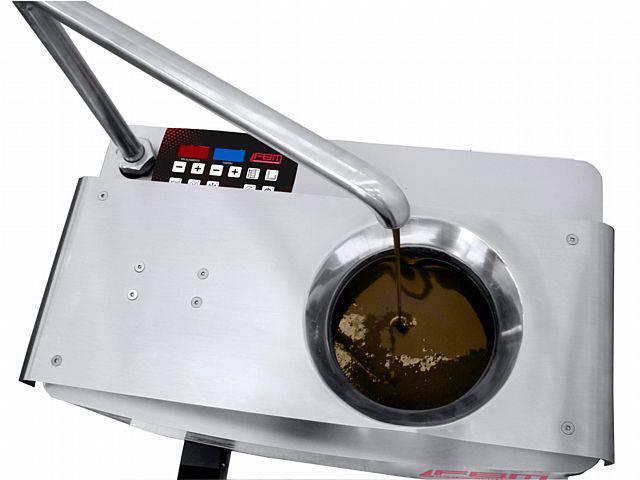
Professional tempering equipment incorporates engineering specifically addressing cocoa butter crystallization's technical demands. Precise digital temperature controls maintain exact conditions throughout tempering cycles, displaying real-time readings while allowing fine adjustments for different chocolate formulations. Multiple temperature zones manage chocolate through distinct tempering phases—separate heating for initial melting, controlled cooling for crystal formation, and gentle rewarming to working temperature occur automatically in sequence.
Agitation systems maintain chocolate homogeneity while promoting even crystal distribution. Gentle stirring prevents temperature stratification where chocolate near heating elements reaches different temperatures than material in tank centers. Easy-clean designs reduce downtime through removable bowls enabling thorough cleaning, while food-grade stainless steel construction resists corrosion and withstands repeated sanitizing.
Master Chocolate Tempering with Zucchero Canada
Successfully implementing automated tempering requires understanding the crystallization process these machines control. Cocoa butter exists in six crystal forms, but only Form V (beta crystals) delivers the desired properties of snap, shine, and stability. Tempering machines create conditions favoring Form V development while preventing other crystal types that cause bloom and softness.
Different chocolate varieties require adjusted tempering curves—dark chocolate's higher cocoa butter content demands different temperature sequences than milk chocolate with added dairy fats. White chocolate's absence of cocoa solids creates unique tempering challenges. Quality equipment accommodates these variations through programmable settings matching specific formulations. Understanding chocolate tempering home tips provides foundational knowledge applicable to commercial equipment operation.
At Zucchero Canada, we provide carefully selected tempering equipment from manufacturers understanding chocolate crystallization science. Our collection spans compact artisan units to substantial commercial machines, ensuring we support operations at every production scale. We invite you to explore our equipment and discover how automation can eliminate tempering frustrations while elevating product quality.
Our experienced team offers personalized guidance matching equipment capabilities to your specific production requirements and chocolate varieties. Visit zuccherocanada.ca or contact us directly for detailed capacity assessments, technical specifications, or assistance selecting between different tempering approaches.