






Understanding how many calories in dark chocolate helps you enjoy this indulgent treat while maintaining balanced nutrition and dietary goals. Dark chocolate calories vary significantly based on cocoa percentage, added ingredients, and serving size, ranging from approximately one hundred fifty to two hundred calories per ounce. This comprehensive guide examines calorie content across different dark chocolate varieties, nutritional benefits beyond calories, portion control strategies, and how to incorporate dark chocolate into healthy eating patterns without derailing your wellness objectives.
Calorie Content by Cocoa Percentage
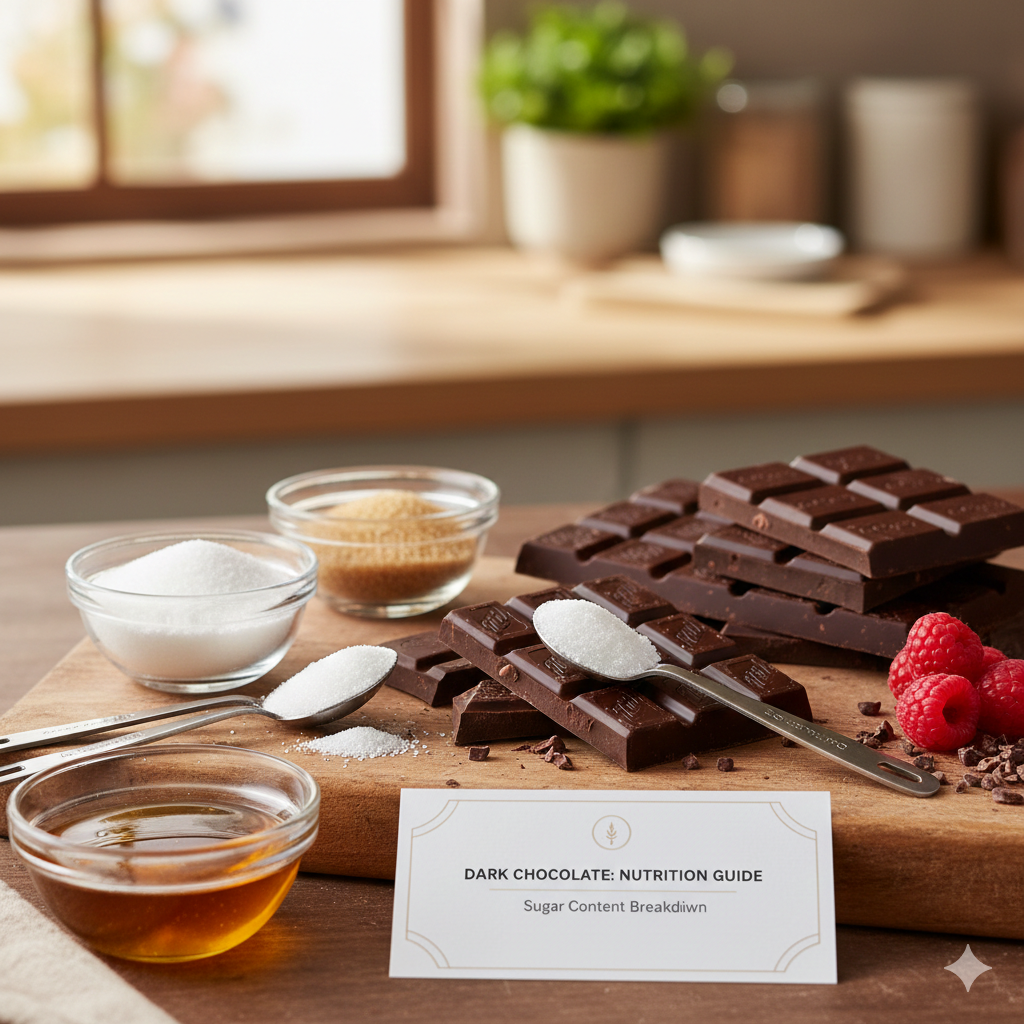
Dark chocolate's calorie content correlates directly with cocoa percentage and inversely with sugar content. Higher cocoa percentages typically contain more calories from cocoa butter and fewer from sugar, though the total caloric value remains relatively consistent across varieties. A standard one-ounce serving—approximately twenty-eight grams or three to four small squares—provides the baseline for comparing different dark chocolates.
Fifty to sixty percent dark chocolate contains approximately one hundred fifty to one hundred sixty calories per ounce. This moderate cocoa content balances chocolate flavor with sweetness, making it accessible for consumers transitioning from milk chocolate. The sugar content remains relatively high at twelve to fifteen grams per ounce, contributing significantly to the total caloric value.
Seventy percent dark chocolate averages one hundred sixty to one hundred seventy calories per ounce. This popular percentage offers rich chocolate flavor with moderate bitterness, appealing to serious chocolate enthusiasts. Understanding chocolate percentages helps consumers select options matching their taste preferences and dietary needs. Sugar content drops to eight to ten grams per ounce, with increased cocoa solids and cocoa butter comprising the difference.
Eighty-five percent and higher dark chocolate contains one hundred seventy to one hundred ninety calories per ounce. These intense varieties maximize cocoa flavor with minimal sweetness, containing just three to six grams of sugar per ounce. The calorie density increases due to higher fat content from cocoa butter, though many consider this a healthier fat profile than sugar-derived calories. Quality dark chocolate products in this range appeal to purists seeking maximum chocolate intensity with minimal additives.
|
Cocoa Percentage |
Calories per Ounce |
Sugar Content |
Fat Content |
Protein Content |
Fiber Content |
|
50-60% |
150-160 |
12-15g |
9-11g |
2-3g |
2-3g |
|
70% |
160-170 |
8-10g |
12-13g |
3-4g |
3-4g |
|
85% |
170-180 |
3-6g |
14-15g |
4-5g |
4-5g |
|
90%+ |
180-190 |
1-3g |
15-17g |
5-6g |
5-6g |
Macronutrient Breakdown of Dark Chocolate
Beyond simple calorie counting, understanding dark chocolate's macronutrient composition provides insight into its nutritional profile and how it fits within balanced diets. Dark chocolate contains three primary macronutrients—fats, carbohydrates, and protein—in varying proportions depending on cocoa percentage.
Fat Content and Types
Fat comprises the largest macronutrient percentage in dark chocolate, ranging from nine to seventeen grams per ounce depending on cocoa content. Cocoa butter provides most of this fat, consisting primarily of saturated and monounsaturated fatty acids. Despite high saturated fat content, research suggests cocoa butter's specific fatty acid profile—particularly stearic acid—doesn't negatively impact cholesterol levels like other saturated fats.
Monounsaturated fats in dark chocolate resemble those found in olive oil and provide cardiovascular benefits when consumed moderately. The fat content creates dark chocolate's smooth mouthfeel and satisfying quality that promotes satiety, potentially reducing overall calorie consumption by curbing cravings for less nutritious sweets. Professional chocolate making emphasizes cocoa butter quality as central to superior texture and flavor.
Carbohydrate and Sugar Content
Carbohydrates in dark chocolate come primarily from sugars and dietary fiber, with proportions varying dramatically by cocoa percentage. Lower percentage dark chocolates contain fifteen to twenty grams of carbohydrates per ounce, mostly from added sugars. As cocoa percentage increases, total carbohydrates decrease while fiber content rises proportionally.
Dietary fiber from cocoa solids provides three to five grams per ounce in higher percentage dark chocolates. This fiber contributes to digestive health, blood sugar regulation, and satiety without adding calories since fiber passes through the digestive system largely undigested. Choosing higher cocoa percentages maximizes fiber benefits while minimizing sugar intake—important considerations for blood sugar management and overall health.

Protein and Micronutrients
Dark chocolate provides modest protein content ranging from two to six grams per ounce, with higher percentages offering more protein from increased cocoa solid content. While not a significant protein source compared to meat, dairy, or legumes, this protein contributes to dark chocolate's nutritional completeness.
Micronutrients elevate dark chocolate beyond empty calories into the realm of functional foods. Iron content reaches three to four milligrams per ounce in high-percentage dark chocolate, providing significant portions of daily requirements. Magnesium contributes sixty to ninety milligrams per ounce, supporting muscle function, nerve signaling, and bone health. Copper, manganese, and zinc appear in meaningful quantities, making quality dark chocolate a legitimate source of essential minerals.
Comparing Dark Chocolate to Other Chocolate Types
Understanding how many calories in dark chocolate gains context when compared to milk chocolate and white chocolate alternatives. These comparisons help consumers make informed choices aligned with their nutritional priorities and taste preferences.
Milk chocolate contains one hundred fifty to one hundred sixty calories per ounce, similar to moderate-percentage dark chocolate but with dramatically different macronutrient profiles. Milk chocolate typically contains fifteen to seventeen grams of sugar per ounce—nearly double that of seventy percent dark chocolate—and less fiber, iron, and antioxidants. The milk solids add calcium but dilute cocoa's beneficial compounds.
White chocolate averages one hundred fifty to one hundred sixty calories per ounce despite containing no cocoa solids whatsoever. White chocolate derives calories entirely from cocoa butter, milk solids, and sugar without providing the antioxidants, minerals, or fiber found in dark varieties. From a nutritional perspective, white chocolate offers the least value per calorie among chocolate types.
|
Chocolate Type |
Calories/oz |
Sugar/oz |
Fiber/oz |
Iron/oz |
Key Nutritional Feature |
|
Dark (70%) |
160-170 |
8-10g |
3-4g |
3-4mg |
High antioxidants, minerals |
|
Dark (85%) |
170-180 |
3-6g |
4-5g |
3-4mg |
Maximum cocoa benefits |
|
Milk |
150-160 |
15-17g |
1-2g |
0.5-1mg |
Calcium from milk solids |
|
White |
150-160 |
16-18g |
0g |
0mg |
Minimal nutritional value |
Health Benefits Beyond Calorie Counting
Focusing exclusively on how many calories in dark chocolate overlooks the broader nutritional picture and potential health benefits that justify moderate consumption. Dark chocolate contains bioactive compounds that provide physiological benefits extending beyond basic nutrition.
Antioxidant Content and Cardiovascular Health
Dark chocolate ranks among the highest-scoring foods on ORAC scales measuring antioxidant capacity. Flavonoids—particularly epicatechin and catechin—combat oxidative stress that contributes to aging, inflammation, and chronic disease. These compounds support cardiovascular health by improving blood flow, reducing blood pressure, and decreasing LDL cholesterol oxidation.
Research demonstrates that consuming one to two ounces of high-percentage dark chocolate daily may reduce heart disease risk through multiple mechanisms. The benefits correlate with cocoa percentage, making seventy percent and higher varieties optimal choices. Benefits of dark chocolate extend to cognitive function, with flavonoids crossing the blood-brain barrier to support memory and processing speed.
Mood Enhancement and Satisfaction
Dark chocolate contains compounds that influence neurotransmitter activity and mood regulation. Phenylethylamine stimulates endorphin release, creating mild euphoria similar to falling in love. Theobromine provides gentle stimulation without the jittery effects of caffeine, though dark chocolate does contain modest caffeine amounts—typically twelve to twenty-five milligrams per ounce depending on cocoa percentage.
The combination of fat, fiber, and complex flavors makes dark chocolate highly satisfying despite modest serving sizes. This satisfaction factor helps prevent overconsumption and reduces cravings for less nutritious sweets that might deliver more calories with fewer benefits. Quality chocolate products prioritize flavor complexity that enhances satisfaction per bite.
Portion Control Strategies for Dark Chocolate
Enjoying dark chocolate's benefits while managing caloric intake requires intentional portion control strategies that prevent unconscious overconsumption. The richness and intensity of high-percentage dark chocolate naturally limits intake for many consumers, but establishing conscious boundaries supports dietary goals.
Practical Serving Guidelines
One ounce—approximately three to four small squares or twenty-eight grams—represents a standard serving that balances enjoyment with calorie management. This amount provides sufficient chocolate experience to satisfy cravings while contributing one hundred sixty to one hundred eighty calories to daily intake. Measuring portions initially helps develop visual recognition of appropriate serving sizes.
Purchase individually wrapped squares or break bars into single servings immediately upon opening. Store pre-portioned servings in separate containers or bags, taking only one serving when the craving strikes. This physical barrier between you and additional chocolate creates a pause point where conscious decision-making can occur rather than mindless sequential consumption.
Pair dark chocolate with other satisfying foods to create a more substantial snack that doesn't require larger chocolate portions. Fresh berries, nuts, or a small amount of nut butter alongside one ounce of dark chocolate delivers more volume, fiber, and protein while maintaining reasonable calorie totals. This combination approach leverages chocolate's versatility in creating balanced, satisfying treats.
Mindful Eating Practices
Engage all senses when consuming dark chocolate rather than eating while distracted by screens or activities. Notice the appearance, break the chocolate to hear the snap indicating proper tempering, smell the complex cocoa aromas, and allow pieces to melt slowly on your tongue rather than chewing immediately. This mindful approach maximizes satisfaction from smaller portions.
Schedule chocolate consumption intentionally rather than eating impulsively whenever chocolate appears. Designating specific times—perhaps after dinner as a daily treat or weekend afternoons as a special indulgence—creates anticipation that enhances enjoyment while preventing constant grazing that accumulates calories unconsciously throughout the day.

Using Dark Chocolate in Healthy Recipes
Incorporating dark chocolate into recipes allows you to enjoy its flavor and benefits while controlling portions and combining it with nutritious ingredients. Chocolate baking applications range from obvious desserts to creative additions in savory dishes and beverages.
Baking with Dark Chocolate
Substitute dark chocolate for milk chocolate in recipes to reduce sugar content while increasing beneficial compounds. The more intense flavor means you can use less chocolate overall while maintaining chocolate presence in baked goods. Chocolate brownies made with seventy to eighty-five percent dark chocolate deliver rich flavor with improved nutritional profiles compared to conventional recipes.
Chop dark chocolate finely and fold into oatmeal, yogurt, or smoothie bowls for breakfast applications that feel indulgent while remaining reasonably nutritious. The small amount needed to create chocolate flavor through these chopped bits limits calorie contribution while the pairing with fiber and protein from oats or yogurt creates balanced meals.
Create homemade chocolate using professional molds and quality chocolate chips to control sweetness and ingredients precisely. This approach allows you to craft chocolate treats matching your exact preferences for cocoa percentage, sugar content, and added ingredients like nuts or dried fruit that contribute additional nutrients.
Dark Chocolate for Special Dietary Needs
People following specific dietary patterns can often incorporate dark chocolate successfully when they understand calorie content and choose appropriate varieties. Diabetics benefit from higher percentage dark chocolates that minimize sugar content while providing satisfying treats that fit within carbohydrate budgets. The fiber and fat content helps moderate blood sugar response compared to pure sugar or high-sugar chocolates.
Ketogenic dieters find eighty-five percent and higher dark chocolates compatible with low-carbohydrate requirements, with net carbs often totaling just three to five grams per ounce after subtracting fiber. The high fat content aligns with keto macronutrient targets while satisfying sweet cravings without significantly impacting ketosis.
Individuals managing weight benefit from dark chocolate's satiety factor and nutrient density. The calories become worthwhile when chocolate successfully prevents consumption of larger quantities of less nutritious alternatives. Planning dark chocolate into daily calorie budgets as an intentional indulgence rather than viewing it as dietary cheating helps maintain sustainable eating patterns that balance restriction with enjoyment.
Understanding how many calories in dark chocolate empowers informed decisions about incorporating this beloved treat into balanced, health-conscious eating patterns. Calorie content ranges from one hundred fifty to one hundred ninety per ounce depending on cocoa percentage, with higher percentages offering more beneficial compounds despite slightly higher caloric density. The macronutrient profile featuring healthy fats, dietary fiber, protein, and essential minerals elevates dark chocolate beyond empty calories into functional food territory when consumed mindfully in appropriate portions. Comparing dark chocolate to milk and white varieties demonstrates its superior nutritional value per calorie, while portion control strategies and mindful eating practices help maximize satisfaction from modest servings. For premium dark chocolate products and professional chocolate-making tools that help you create and enjoy quality chocolate treats, visit Zucchero Canada where excellence in chocolate meets commitment to supporting your culinary creativity.
References:
Crozier, S. J., Preston, A. G., Hurst, J. W., et al. (2023). Cacao seeds are a "Super Fruit": A comparative analysis of various fruit powders and products. Chemistry Central Journal, 15(1), 5-18.
Katz, D. L., Doughty, K., & Ali, A. (2024). Cocoa and chocolate in human health and disease. Antioxidants & Redox Signaling, 38(8), 841-857.
USDA FoodData Central. (2024). Chocolate, dark, 70-85% cacao solids. U.S. Department of Agriculture.
Williamson, G. (2023). The role of polyphenols in modern nutrition. Nutrition Bulletin, 42(3), 226-235.








Leave a comment
All comments are moderated before being published.
This site is protected by hCaptcha and the hCaptcha Privacy Policy and Terms of Service apply.