






Melting chocolate may seem simple, but improper technique can lead to burning, seizing, or a grainy texture. Professional chocolatiers follow precise methods to preserve flavor, texture, and performance. This guide explains how to melt chocolate, ideally using proven, reliable techniques.
1. Why Chocolate Burns or Seizes
Chocolate is sensitive to both heat and moisture. When overheated or exposed to steam or water, cocoa solids and sugar can bind together, causing the chocolate to seize.
- Direct high heat damages cocoa butter
- Moisture causes sugar crystallization
- Uneven heating leads to a grainy texture
2. Ideal Temperature Ranges
Professional kitchens follow specific temperature guidelines to melt chocolate safely.
- Dark chocolate: 45–50 °C (113–122 °F)
- Milk chocolate: 40–45 °C (104–113 °F)
- White chocolate: 38–43 °C (100–109 °F)
Never exceed these ranges, as overheating will permanently damage flavor and texture.
3. Best Methods to Melt Chocolate
Bain-Marie (Double Boiler)
The bain-marie is a classic and reliable method. Chocolate is placed in a heatproof bowl over gently simmering water.
- Water should never touch the bowl
- Heat should be low and steady
- Stir gently for even melting
Chocolate Melter
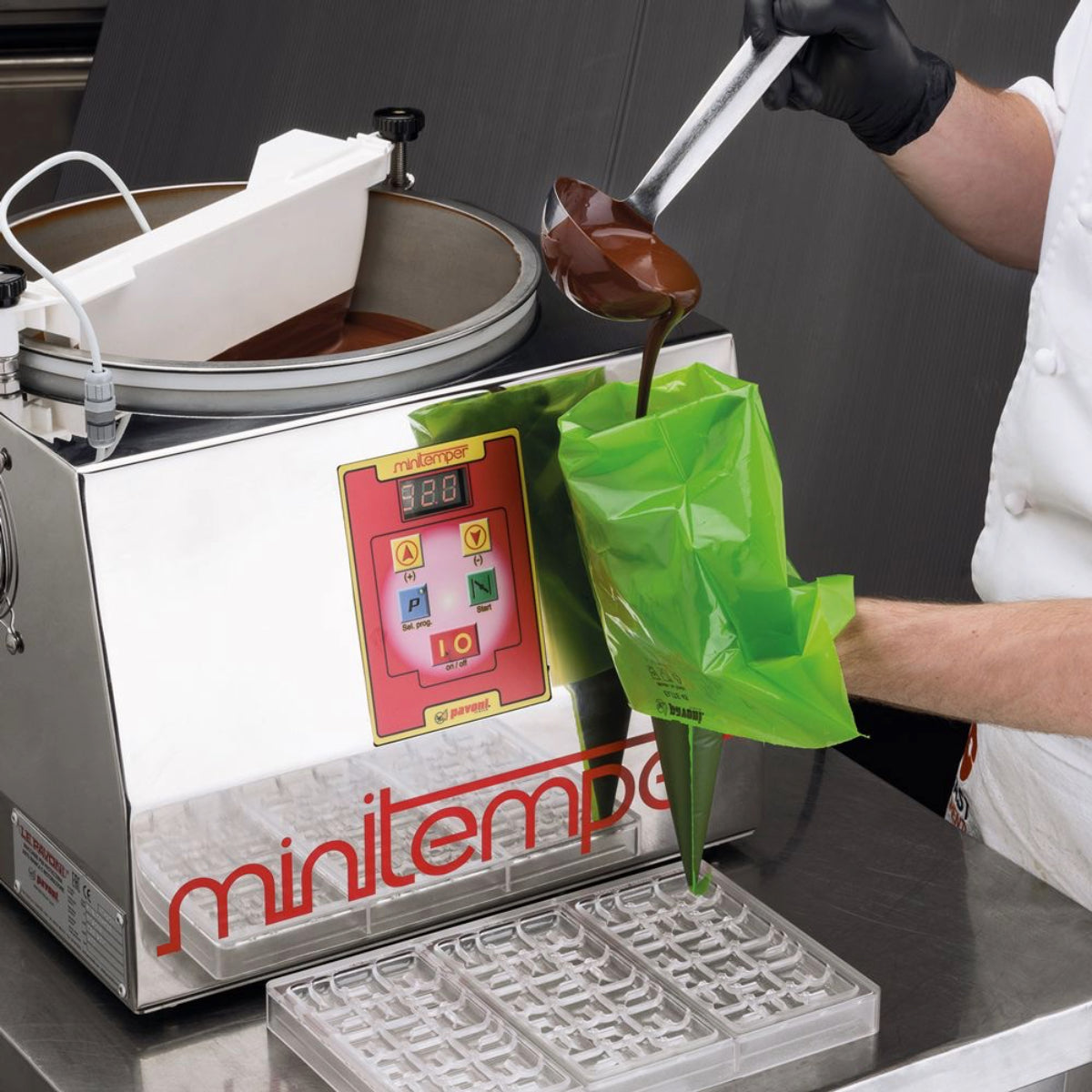
Professional chocolate melters deliver the most consistent results by maintaining stable temperatures for extended periods.
- Ideal for baking, pastry, and chocolate work
- Prevents overheating and scorching
- Perfect for repeated or continuous use
Microwave (With Caution)
The microwave can be used carefully in short intervals.
- Use low power
- Heat in 15–20 second intervals
- Stir between each interval
This method works best for small quantities and experienced users.
4. Best Chocolate for Melting
Use real chocolate made with cocoa butter. Avoid compound coatings, which melt differently and offer inferior flavor.
- Couverture chocolate melts smoothly
- High cocoa butter content improves fluidity
- Professional chocolate delivers consistent results
5. Common Mistakes to Avoid
- Overheating chocolate
- Letting steam or water enter the bowl
- Using direct heat on a stovetop
- Walking away during melting
6. When Melting Is Not Tempering
Melting chocolate does not mean it is tempered. Tempering is a separate process that aligns cocoa butter crystals to give chocolate shine and snap.
If your goal is shiny molded chocolates, proper tempering is required after melting.
Professional Advice
Always melt chocolate slowly, stir gently, and monitor temperature. Precision and patience are the keys to perfect results.
At Zucchero Canada, we provide professional chocolate, melters, and equipment designed to help you work with confidence.
Crafting Sweet Masterpieces – Zucchero Canada







Leave a comment
All comments are moderated before being published.
This site is protected by hCaptcha and the hCaptcha Privacy Policy and Terms of Service apply.